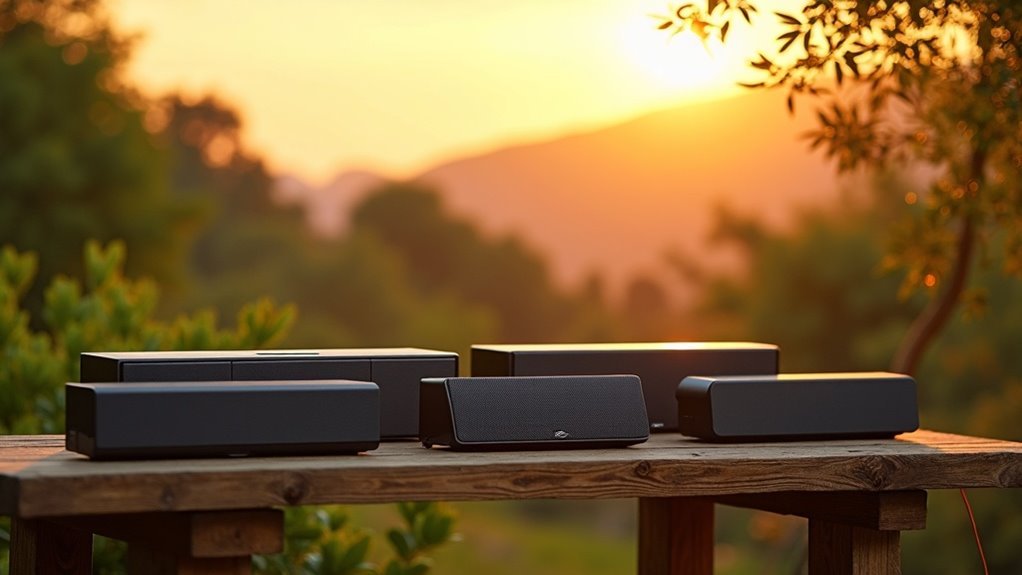
Soundbars became common in the early 2000s, primarily due to advancements in technology and changing consumer preferences. The launch of the Yamaha YSP-1 in 2004 was a game-changer, offering multi-channel sound from a single unit. These devices evolved rapidly, adopting features like Digital Signal Processing and immersive audio formats such as Dolby Atmos. Their compact design and versatility made them ideal for modern home entertainment. Explore our website to learn more about the evolution of soundbars and the latest trends in audio technology.
Key Takeaways
- Soundbars gained popularity after the launch of Yamaha’s YSP-1 in 2004, which introduced advanced digital signal processing technology.
- The early 2000s marked a shift in consumer preferences towards soundbars as a compact audio solution, enhancing TV sound quality.
- The release of models featuring Dolby Atmos and DTS:X in the 2010s further propelled soundbars into mainstream usage for immersive audio experiences.
- By the late 2010s, soundbars became a staple in home entertainment systems, driven by demand for sleek and efficient audio solutions.
- Continuous advancements in design and technology have solidified soundbars as essential components of modern home audio setups.
The Rise of Home Entertainment
As flat-screen televisions gained popularity in the early 2000s, there was a notable increase in the demand for soundbars, as the built-in speakers often struggled to deliver satisfactory audio quality. This trend contributed to the rise of home entertainment, with consumers actively seeking superior sound to enhance their viewing experiences.
A significant moment in this evolution was the launch of Yamaha’s YSP-1 in 2004, which allowed for 5.1 channel surround sound from a single unit. By the mid-2010s, soundbars had become indispensable components of home theater systems, offering compact and efficient audio solutions.
Today, with advancements such as Dolby Atmos, soundbars provide immersive audio experiences that require no complex installations, making them an ideal choice for enhancing home entertainment setups.
The Birth of the Soundbar
Soundbars have become a staple in modern home entertainment, but their history dates back to the early 1980s with the introduction of the TeleSound Model 1300, the first product aimed at improving audio quality for televisions.
This pioneering sound system came equipped with two 5-watt loudspeakers designed to create simulated stereo sound.
In 1998, Altec Lansing took a significant step forward with the release of the ADA106, which provided powered multichannel audio utilizing innovative side-firing technology.
The real revolution in soundbar technology occurred in 2004 with Yamaha’s YSP-1, the first to employ Digital Signal Processing to deliver genuine surround sound without the need for additional speakers.
As flat-screen TVs became increasingly popular, the demand for compact and effective audio solutions surged, solidifying soundbars as a favored choice among consumers in the home entertainment market.
Technological Development and Innovation
The evolution of soundbars has been marked by significant technological advancements that have transformed them from simple audio enhancers into sophisticated home theater systems.
Key innovations include:
- Digital Signal Processing (DSP): This technology emulates multi-channel sound without the need for extra speakers, greatly enhancing audio performance.
- Dolby Atmos and DTS:X: These advanced audio technologies introduce vertical sound channels, creating a more immersive audio experience.
- Wireless Connectivity: With Bluetooth and Wi-Fi capabilities, soundbars now allow for versatile streaming options, integrating technology and algorithms seamlessly.
High-end models, such as Sony’s HT-ST5000, exemplify these advancements, setting new benchmarks for cinema-quality audio in your home environment.
Here, you can discover more about the latest soundbars and how they can elevate your audio experience.
Design Evolution
As soundbars evolved, minimalist design trends took center stage, emphasizing slim profiles that blend seamlessly with modern decor.
Many contemporary models utilize premium materials, enhancing both aesthetics and durability.
Furthermore, the introduction of modular features allows you to customize your audio setup, making soundbars not only stylish but also versatile, perfectly suited for any home entertainment system.
Minimalist Design Trends
While soundbars once dominated entertainment systems with their bulky designs, the evolution toward minimalist aesthetics has transformed them into sleek, stylish components of modern living spaces.
Today’s soundbars reflect minimalist design trends with:
- Slim profiles that seamlessly blend with contemporary décor.
- High-quality materials and finishes that enhance visual appeal.
- Elegant models like the LG SK10Y and Sonos Arc, prioritizing both functionality and style.
This shift not only improves audio performance but also ensures that soundbars serve as attractive additions to your home, making them a perfect fit for those who appreciate modern designs while prioritizing safety and aesthetics in their living environment.
Discover how these refined soundbars can elevate your entertainment experience.
Modular Soundbar Features
Modern soundbars have undergone a significant transformation, particularly with their modular features that enhance audio versatility.
These modular soundbars allow users to customize their audio output by adding detachable surround speakers and optional subwoofers, catering to specific space and preferences.
Models like LG’s SK10Y and Sonos Arc exemplify this trend, blending seamlessly with home décor while delivering high-quality sound.
Additionally, many modular designs offer wireless connectivity, minimizing clutter and promoting safe placement of speakers.
This evolution reflects a strong consumer demand for versatile, aesthetically pleasing home audio solutions that don’t compromise on safety or performance.
Premium Material Choices
Today’s soundbars frequently incorporate premium materials like aluminum and high-quality plastics, which not only boost their durability but also enhance their aesthetic appeal.
Specifically designed with user experience in mind, modern soundbars offer:
- Sleek Finishes: Available in both matte and glossy surfaces, these soundbars present a contemporary look that fits into any environment.
- Customizable Options: You can select finishes that beautifully complement your home decor.
- Minimalist Design: With slim profiles, these soundbars ensure unobtrusive installation in your living space.
High-end models, such as the Sonos Arc, exemplify exceptional craftsmanship with their elegant curves and seamless controls.
These premium material choices not only improve sound performance but also contribute to a stylish and safe home entertainment experience.
Diverse Applications of Soundbars
Soundbars have transformed audio experiences in a variety of environments.
In home theaters, they significantly improve sound quality, providing a more immersive experience for movie nights.
Their compact design and multifunctionality also make them an excellent choice for commercial settings, such as conference rooms and hotel suites, where high-quality audio is essential.
Home Theater Enhancements
As the popularity of flat-screen televisions surged, many homeowners sought enhanced audio solutions to complement their sleek screens.
Soundbars emerged as a practical choice, providing true surround sound and elevating your audio system.
Here are three key benefits of soundbars:
- Improved Audio Quality: Enjoy richer sound for movies and music, making every scene more immersive.
- Multifunctionality: Stream music and control smart home devices effortlessly from a single device.
- Compact Design: Their sleek form makes installation easy, fitting seamlessly into any room.
With soundbars, you’ll experience a superior audio journey that perfectly aligns with your modern lifestyle.
Commercial Use Cases
With the rise of soundbars in home theaters, their applications have expanded into commercial environments, where they offer significant advantages.
In conference rooms and hotel suites, soundbars enhance TV audio, providing impressive sound quality in compact spaces. Their ease of installation makes them ideal for professionals seeking efficient solutions.
Many models, like the Sonos Arc, function as central hubs in smart ecosystems, integrating with other devices seamlessly.
Additionally, their multifunctional capabilities allow for music streaming and audio for presentations, making soundbars a cost-effective alternative to traditional sound systems while enhancing overall experiences in business settings.
This website is dedicated to showcasing the benefits and features of soundbars for both personal and commercial use.
Market Trends and Brand Competition
Since the launch of the Yamaha YSP-1 in 2004, the soundbar market has evolved dramatically, driven by fierce competition among major brands.
Here’s how the landscape has changed:
- The introduction of compact audio solutions has met the growing demand from consumers looking to enhance their home entertainment experience without the clutter of traditional speaker systems.
- Major brands like Bose, Samsung, and Sony have intensified competition by innovating and offering advanced surround sound options that elevate audio quality.
- The shift to wireless technology has made soundbars more user-friendly, appealing to tech-savvy consumers who value convenience and seamless connectivity.
As soundbars, also known as Sound Projectors, continue to evolve, they increasingly cater to diverse preferences, enhancing safety and enriching the home entertainment experience.
Future Prospects
The soundbar market is poised for significant growth, driven by consumers’ increasing desire for compact audio solutions that enhance their viewing experiences, particularly with the prevalence of thinner flat-screen TVs.
As immersive audio content becomes more mainstream, soundbars featuring technologies like Dolby Atmos and DTS:X are likely to become standard. You’ll see more hybrid soundbar systems that support multi-channel audio setups, offering flexibility and improved sound quality.
Innovations in wireless technology promise seamless integration with smart home ecosystems, enhancing functionality beyond just audio playback. With rising competition, expect further advancements in audio quality, making soundbars an essential component of your home entertainment setup.